
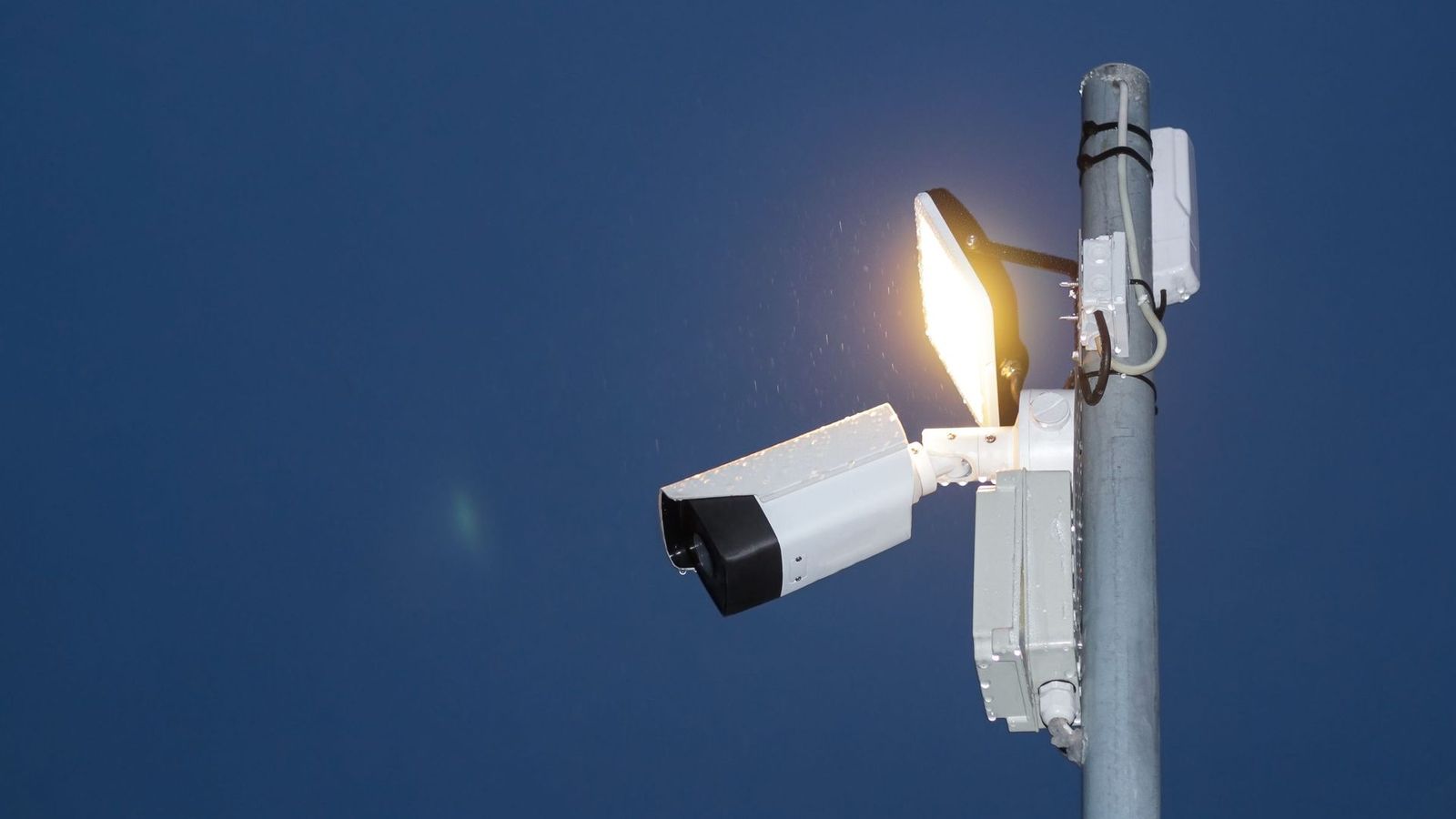
Alarm monitoring and mobile response pairs a 24/7 monitoring centre that assesses every alarm signal with a mobile team that goes to the site when the alarm is real. Mission Support runs both as one service. Monitoring without response spots a problem and does nothing about it; response without monitoring is guesswork. We cover buildings, vehicles, lone workers and perimeter detection, backed by an SLA, 24/7.
An alarm nobody responds to is just noise. Our 24/7 monitoring centre is staffed by trained operators who assess, dispatch and record every signal. They work with regional mobile patrol teams who respond to what is actually happening on site, not to what a manual says should be happening. On large or spread-out sites, drones add a view where fixed cameras leave gaps.
Lone-worker alarms and GPS track-and-trace protect people and property on the move: drivers, field staff and valuable equipment.
Every signal, dispatch and response is logged. If your insurer or auditor needs a paper trail, you receive a monthly report.
- 24/7 Alarm Monitoring Centre / SOC
- Mobile Surveillance Patrols
- Lone-Worker / Personal Alarming
- GPS Track and Trace
- Drone-Based Surveillance
What a 24/7 alarm centre actually does — and where most fall short
An alarm centre receives a signal, assesses it and sends a response. That is the description; the practice is harder. A good centre can tell a faulty sensor from a false alarm set off by the cleaners and from a real break-in, and gets it right at 02:30 on a Sunday, on the twelfth night in a row. A poor centre either sends a team to every signal, which is expensive and dulls the team, or misses patterns that build up into incidents nobody caught.
Our operators follow a written procedure for each type of signal. They don't just pass signals on. They weigh each one against the site's history and send a team based on what is likely, not by reflex. Every month you receive an operations report with signal volumes, the decisions taken, response times and anything unusual that was escalated.
The centre is staffed at all times. Not on call: staffed. Every signal reaches a person within the time set in your SLA. If a signal cannot be judged remotely, a mobile patrol goes out and a supervisor is informed. Every decision is recorded, from the moment the signal arrives until the incident is closed.
Mobile surveillance — when a fixed camera is not enough
Fixed cameras watch set zones all the time. Mobile patrols cover the rest: the perimeter, the blind spots and the odd corners. Think of the loading dock at 03:00, the car park the cameras don't reach, or the fence line where the cameras stop and the weak spot begins. One doesn't replace the other. When the risk calls for real coverage rather than the look of it, you need both.
Our patrols drive random routes, not fixed rounds that a determined intruder can learn and time. How often we come depends on the site's risk and is written into the service specification. Every patrol is recorded with GPS-verified checkpoints, and you can see the patrol log live or in the monthly operations report.
Some sites are most vulnerable at particular times outside office hours, for example because of valuable stock, building materials or agricultural equipment. For these we plan more visits around the riskiest hours instead of spreading them evenly through the night. That works better and costs less than the same cover every night.
Lone-worker alarming and GPS tracking — protecting personnel in motion
Lone-worker alarms deal with a specific risk: people who work alone, in isolated places or outside normal hours, where a medical emergency, a threat or an accident can go unnoticed for a long time. Under the Arbowet, Dutch employers have specific duties towards lone workers. An alarm that can be raised without a phone call, and that escalates to an operator automatically when the worker doesn't respond, meets the core of that duty.
GPS track-and-trace applies the same idea to property: expensive vehicles, specialist equipment, pharmaceutical stock and anything else whose location or route needs checking. We bring lone-worker alarms and GPS tracking into the alarm centre through one feed, so a personal alarm and a vehicle going off-route are handled by the same people in the same way.
For clients with field staff, such as inspectors, service engineers, care workers and people working alone on distribution shifts, we set up regular check-ins alongside the automatic alarms. A missed check-in first leads to a welfare call, and only then to a dispatch. That cuts needless call-outs while keeping a real eye on people who work alone.
- Corporate sites
- Distribution & logistics
- Critical infrastructure
- Event venues
Frequently asked questions
What is the difference between alarm monitoring and alarm response?
How quickly does a mobile response team arrive on site?
Does Mission Support connect to existing alarm systems or install new ones?
Is lone-worker alarming required by Dutch law?
Can drone surveillance be used alongside mobile patrols?
Talk to a specialist about this service
We will respond within one business day. Initial conversations are confidential and without obligation.
Request a Quote